
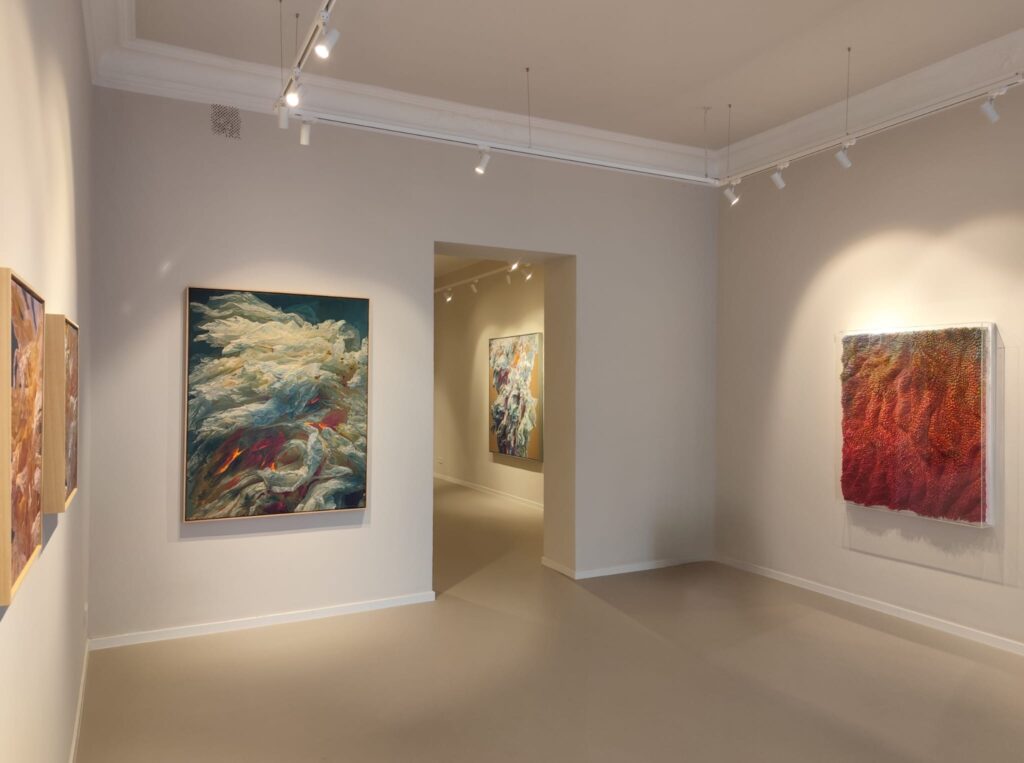
The title of the exhibition alludes to a way of speaking that neither pretends nor closes, rather calls and waits for an answer. A voice that opens and circulates. The voice is accordingly articulated as a system of calls, echoes and responses, as presences that reflect and reverberate.
The current exhibition combines two areas of the artistic practice of Javier León Pérez, who have accompanied him throughout his career: painting, which has been developed more intensively in recent years, and works on Japanese paper, which have been part of his work for 20 years. Instead of presenting the two areas as independent, they meet at a transition point that acts as a threshold.
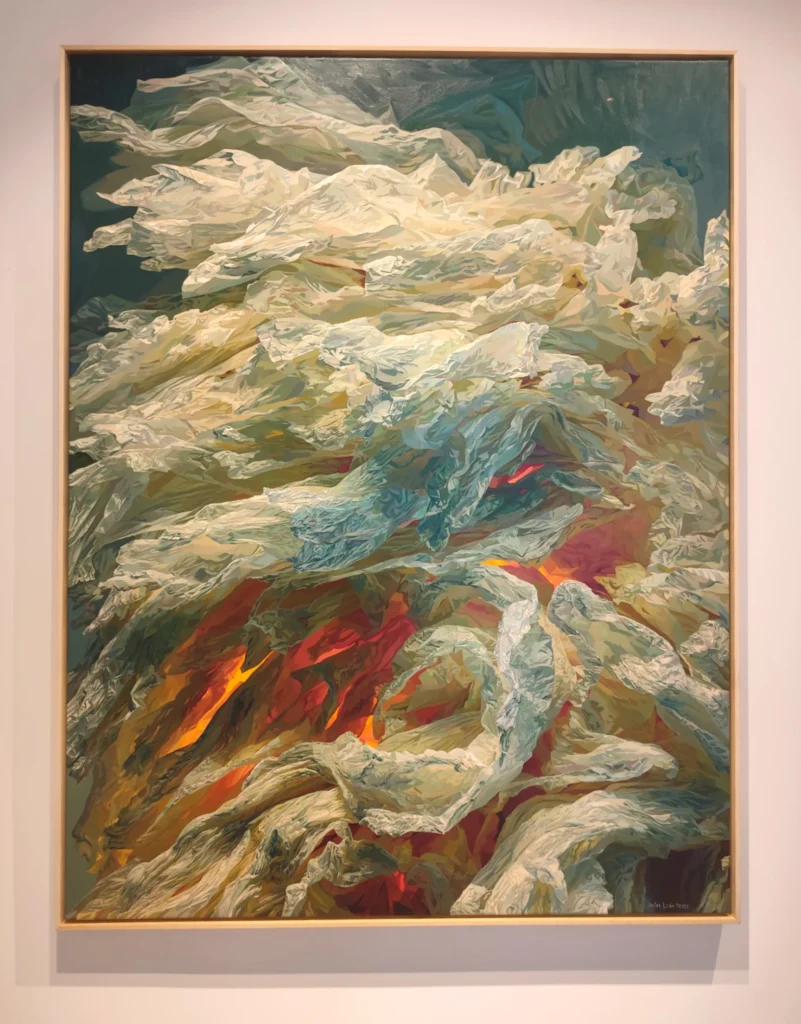
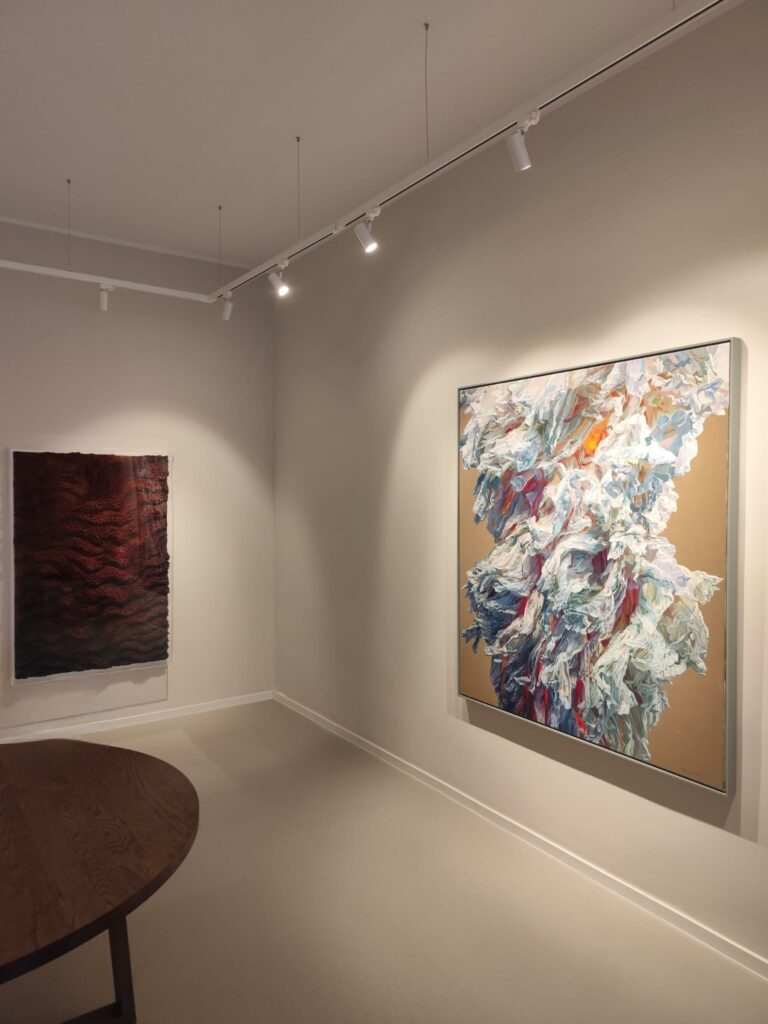
The structure of the exhibition is conceptualized by the Versicle and the Antiphon. Both forms of expression come from the ecclesiastical tradition and are reinterpreted here in a secular context. The versicle, understood as a small turn of meaning, manifests itself in painting. Each image appears as a fragment that neither tells nor explains, but invokes. It is a dense pause, a saying that turns into itself, something is covered between wrinkles and subtle color variations, and leaves the meaning open. The antiphon, on the other hand, embodies itself in the three-dimensional paper works. Unlike the versicle, the antiphon does not exist on its own: it is answer, echo, change in one. The pieces are presented as presences that are activated as a resonance space of our self. The works speak to each other and create a choral fabric in which no voice rises above another.
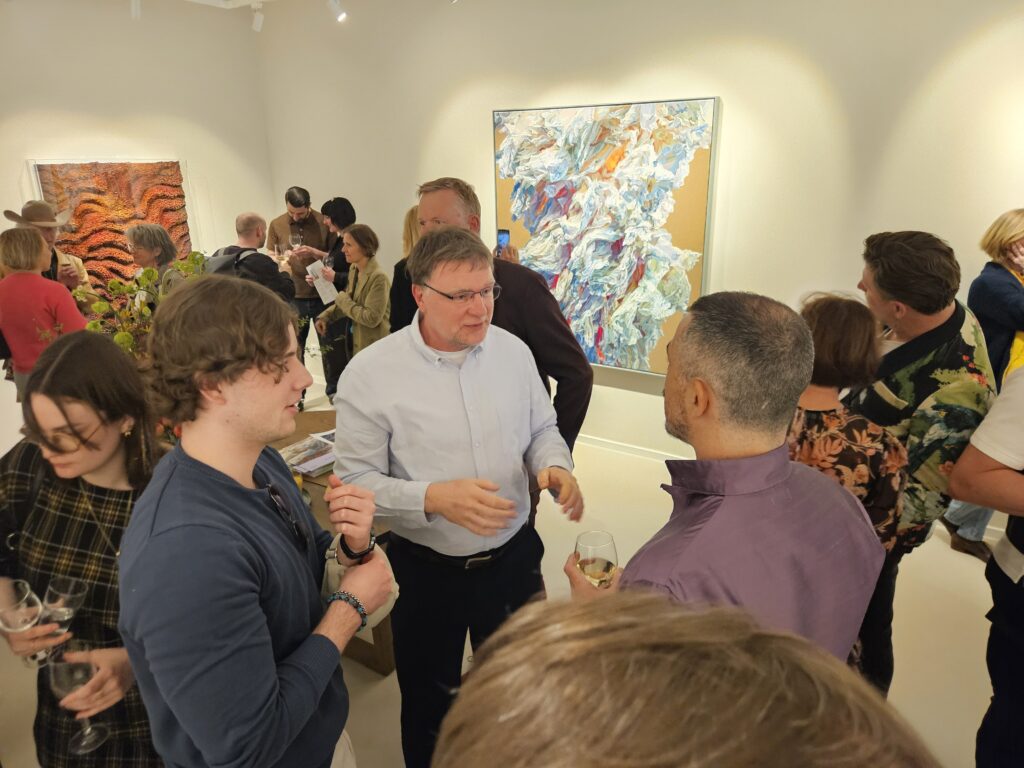
Javier León Pérez does not seek a closed picture or a definitive statement, rather it is about a constant return to meaning. The geometric shape appears as something that folds and opens again. The figurative bodies and paper structures refer to a visceral interiority, to a space in which the physical becomes a container for an intangible dimension of man. The recurring use of shades of red, orange and pink signals the physical as a place of consciousness and experience.
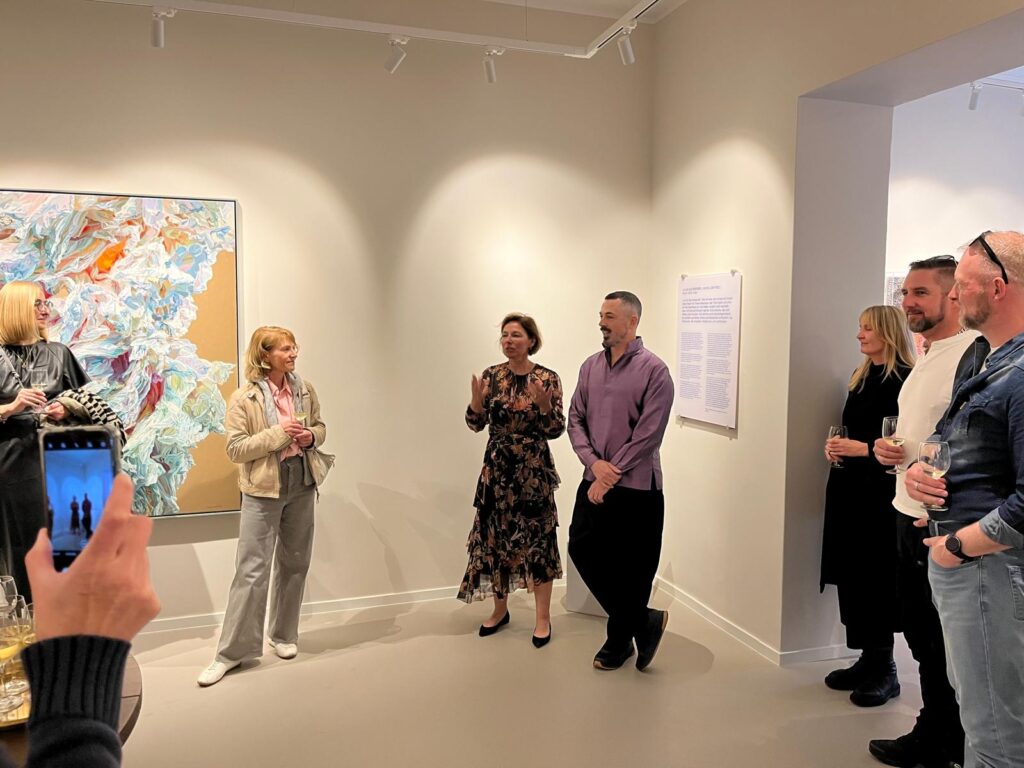
“La Voz Que Responde” wants to be experienced instead of simply looked at. At a time when people tend to be reduced to the measurable and functional, the exhibition provides a space of experience in which meaning is not exhausted by explanation. Like an echo, something is said, and something remains hidden.